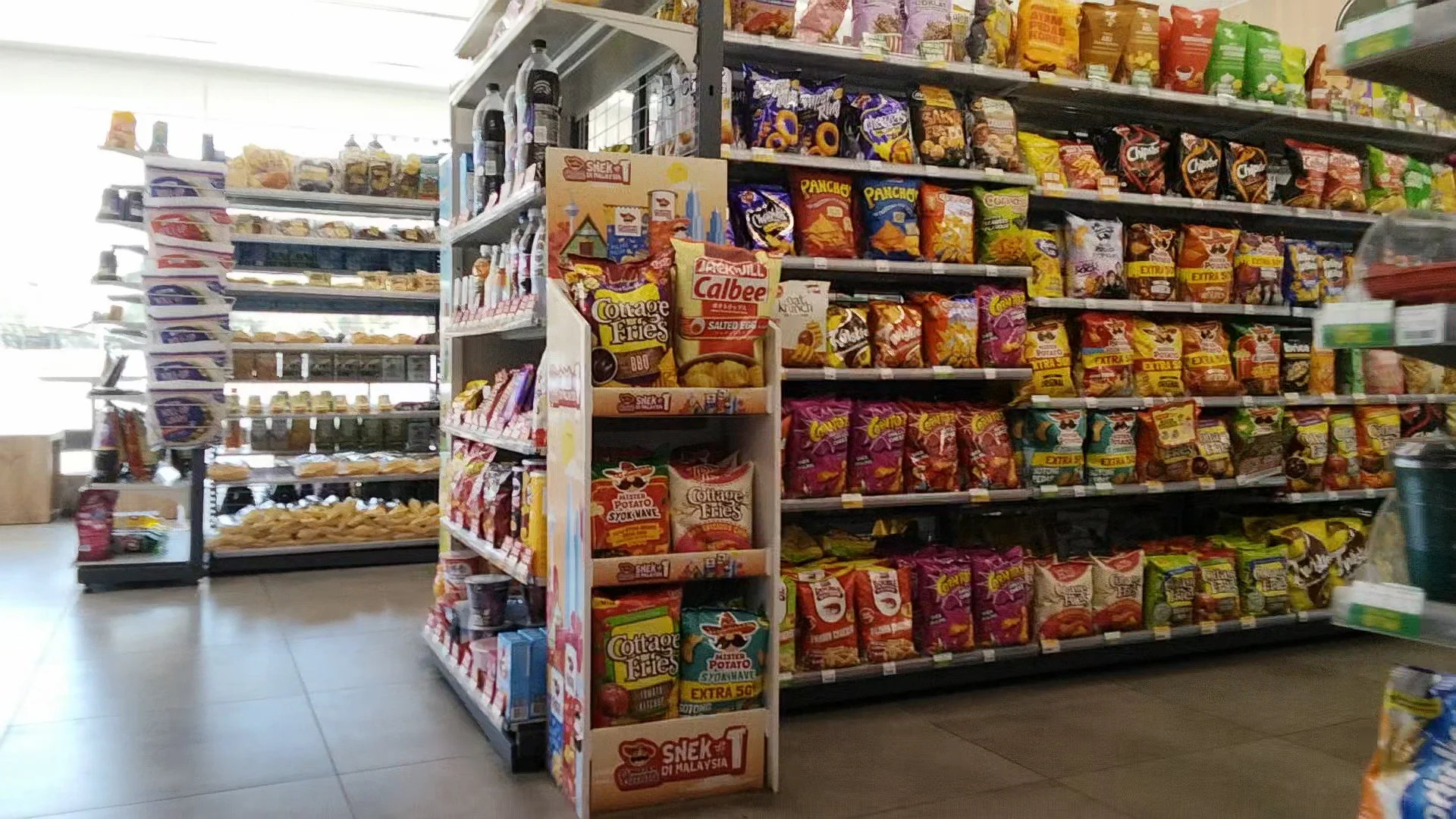
Walk down the aisles of a modern supermarket, and you aren't looking at a food supply. You're looking at a massive, highly calculated chemistry experiment.
We use terms like "junk food" or "processed food," but those labels are far too generous. They still imply that what we are putting into our bodies is, fundamentally, food. It isn’t. Much of what occupies supermarket shelves is an engineered combination of starch, industrial seed oils, artificial flavorings, and chemical preservatives designed to look and taste like nourishment. The industry’s greatest achievement was convincing us that eating this way is normal.
We are the only species on Earth that consistently gets sick from eating its standard diet. That’s because the food industry isn't in the business of keeping you healthy. Why would it be? There’s no exponential growth in a healthy population. A fresh apple rots in a couple of weeks, but a box of brightly colored cereal can sit on a shelf for years. The objective isn't nutrition; it's chemistry. Industrial chemists spend millions finding the exact "bliss point"—the precise threshold of salt, sugar, and fat that bypasses your brain's natural fullness signals and keeps you reaching back into the bag.
How We Were Trained to Love Fake Food (and Fund the Drugs)— We don't eat food anymore; we consume hyper-processed, shelf-stable creations engineered for profit. The results are simple: record quarters for food conglomerates, and a lifetime subscription to the pharmacy.
The goal is to keep you stuffed but perpetually starved of actual nutrients. If you ate a diet of whole, nutrient-dense foods, your body’s satiety cues would kick in. You wouldn't need the mid-afternoon energy drink, the vending machine snack, or the late-night frozen pizza. The industry relies on your constant, low-level cellular hunger to keep their sales climbing quarter after quarter.
But this business model has an unavoidable biological byproduct: chronic metabolic sickness. You cannot feed an entire population a daily diet of highly inflammatory, chemical-laden fillers without breaking the human machine. And that's where the pharmaceutical industry steps in.
It is the most successful, unspoken partnership in modern capitalism: one industry breaks your metabolic health, and the other rents you the management tools.
Neither of these systems wants to cure you, but they don't want you dead either. Dead patients don't buy pills, and healthy people don't need them. The sweet spot for maximum profit is chronic illness. The goal is to keep you alive but dependent—subscribed to a daily regimen of blood pressure medications, insulin, antacids, and statins to treat the symptoms of the very food you ate for breakfast.
We are told that this decline is just a natural part of aging or bad genetics, but it’s a manufactured loop. You pay the food giants to make you sick, and then you pay the drug companies to make the symptoms bearable.
This isn't a secret conspiracy hashed out in smoky backrooms; it's just the logical result of two massive industries operating in a deregulated market. To break the cycle, we have to change how we look at our groceries. Those colorful, convenient boxes in the center aisles aren't quick meals—they are a down payment on a lifetime of medical bills.