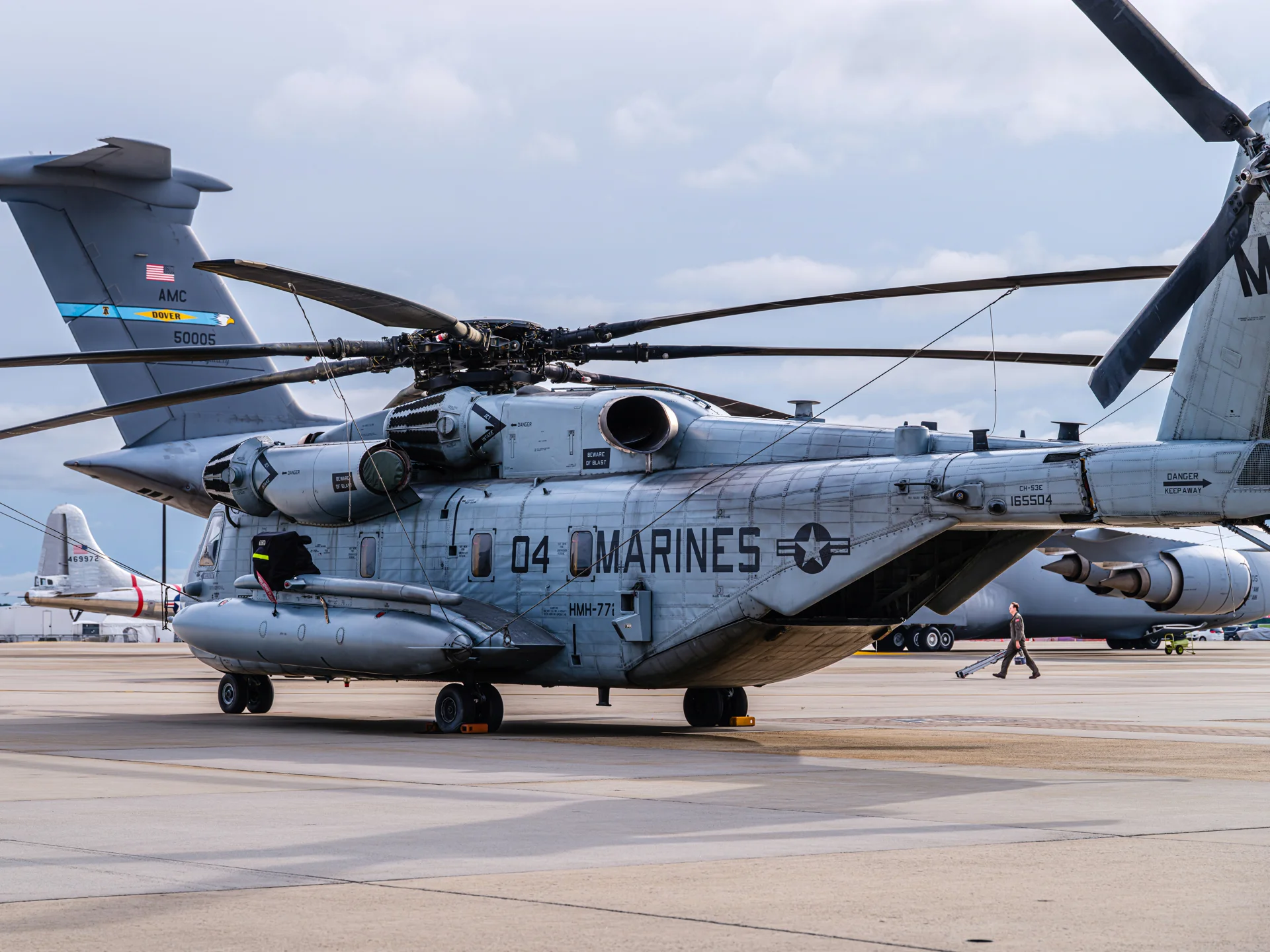

Military deployments and quiet economic retreats are happening at the exact same time in the Middle East. While the Pentagon ramps up its military presence, Washington is making quiet economic concessions to prevent a global energy crisis.
US Marines head to the theater
Military planners are preparing for a potential escalation. The Pentagon is deploying an additional 2,500-strong Marine Expeditionary Unit to the region. Although official statements downplay the possibility of a prolonged ground war, this rapid-response amphibious force is built specifically for high-risk extractions and coastal operations. Moving these assets alongside assault ships into the Gulf signals that military planners are preparing for sudden, worst-case scenarios.
A quiet loophole for Iranian oil
Yet, in a striking contrast to this military posturing, Washington has quietly opened an economic relief valve. The U.S. Treasury recently issued temporary licenses permitting the sale of specific Iranian oil shipments loaded between March 20 and April 19. The decision to temporarily waive sanctions on crude already at sea reflects deep anxiety over the global energy grid. With potential bottlenecks in the Strait of Hormuz threatening to choke off supply, the administration was forced to ease up on economic pressure to keep global oil prices from skyrocketing.
Escalation in Beirut and evacuations in Iraq
The fallout from the broader regional conflict is spreading rapidly beyond the Gulf. In Lebanon, the Israeli military has issued fresh evacuation orders followed by heavy airstrikes that leveled buildings in Beirut's southern Dahiyeh district. This expanding instability is causing European allies to pull back; Spain recently evacuated nearly a hundred of its military personnel from Iraq to Turkey, highlighting a growing reluctance among European nations to remain caught in the crossfire of a wider regional war.
The gap between rhetoric and reality
This split-screen situation exposes a massive gap between political rhetoric and economic reality. Publicly, Washington projects an image of absolute dominance and insists that its adversaries are being economically strangled. But behind the scenes, the vulnerability of the global oil market is holding policy hostage.
It is impossible to maintain the narrative of a total economic blockade while simultaneously issuing waivers for the adversary's oil to protect domestic gas stations. The deployment of Marines is a powerful show of force for the cameras, but the quiet lifting of sanctions is a cold admission of economic reality. Washington remains trapped between its military goals and the fragile, interconnected nature of the global supply chain. The question is no longer whether a tactical military strike can succeed, but whether the global economy can survive the fallout.
Related Articles