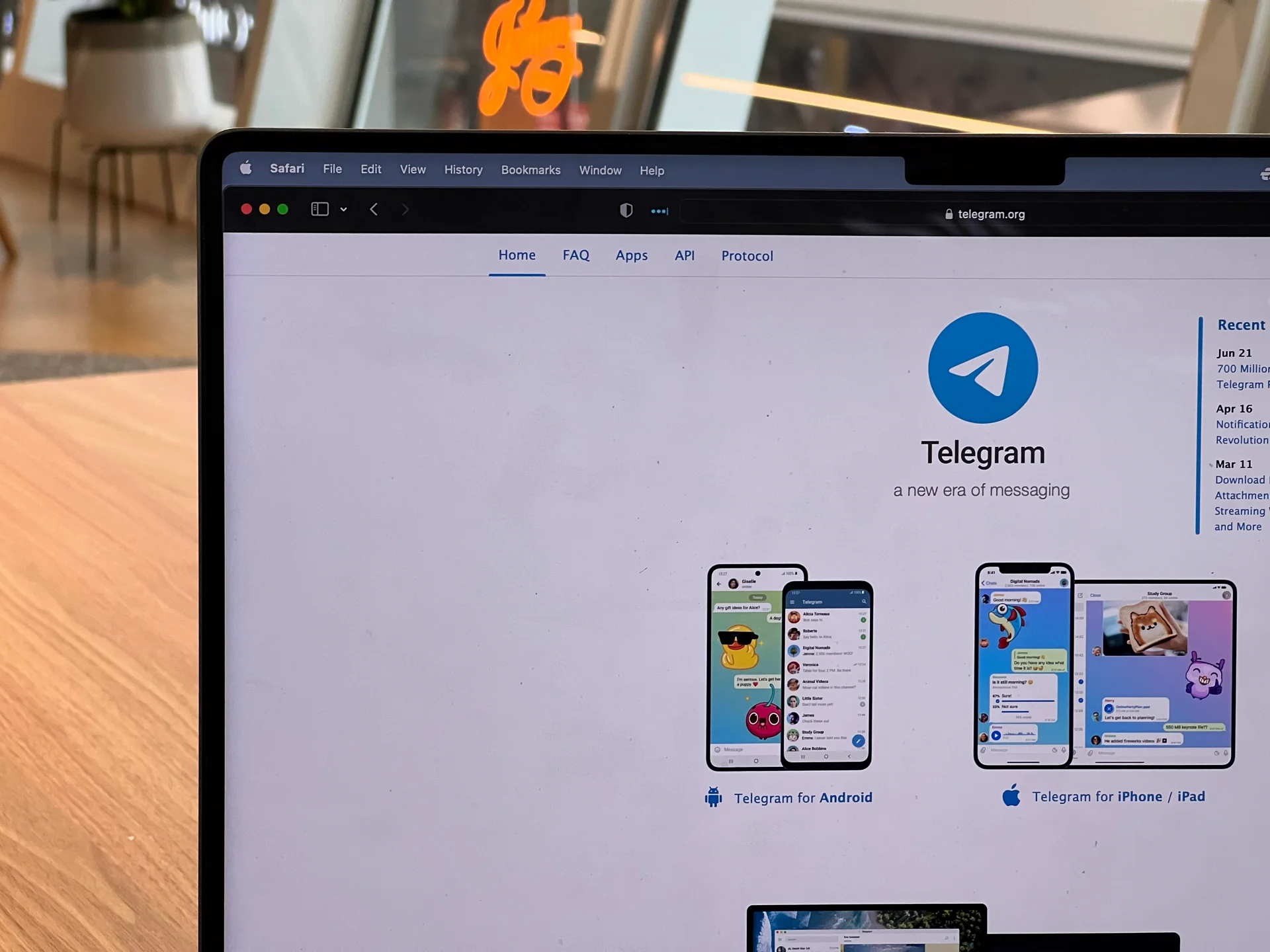

Major social media companies, including Meta and ByteDance, pay licensing fees to record labels so users can legally attach music to profiles and stories. Telegram’s "Music on Profile" feature operates without a licensed catalog or integration with services such as Spotify or Apple Music, allowing users to attach raw audio files directly from their chats.
Because the feature relies on user-provided audio files rather than a licensed library, populating a profile with music requires uploading independent audio files, such as those obtained from third-party downloaders or automated chat bots.
Under "safe harbor" legal protections, internet platforms are generally shielded from copyright liability until rights holders flag and request the removal of specific infringing files. Telegram’s design leaves music licensing entirely to individual users, removing platform-level copyright clearance from the user experience.
Telegram 'Music on Profile' could fuel music piracy— Instead of paying for licensing deals, Telegram's profile music feature relies on users uploading ripped MP3s—quietly pushing them into legal and ethical gray zones.