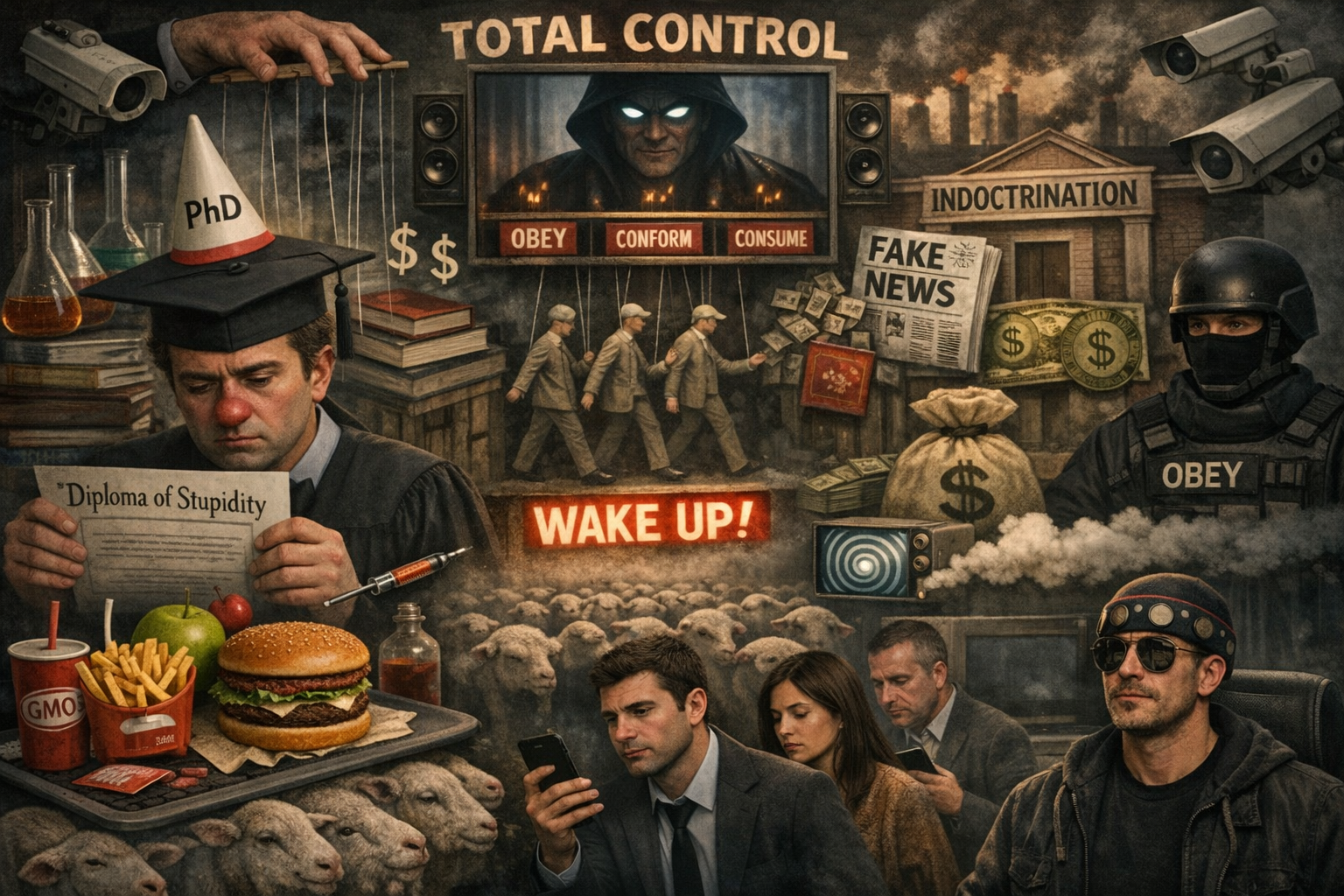

In modern society, fundamental concepts regarding human potential are frequently conflated, leading to a profound misunderstanding of what it means to thrive. As cultural metrics for achievement become increasingly superficial, society faces a growing crisis of independent thought.

First, there is a pervasive tendency to confuse education with intelligence. While formal schooling imparts knowledge and issues credentials, it does not inherently guarantee the ability to think critically. Too often, modern educational frameworks reward mere compliance — the ability to follow instructions, memorize narratives and pass standardized metrics — rather than genuine intellectual agility.
Consequently, this compliance is frequently mistaken for both intelligence and future success. However, the capacity to conform to a rigid system is not the same as the cognitive flexibility required to navigate life's complexities or innovate. Education is not a guaranteed ticket to success, nor is a lack of formal education an indicator of low intelligence.
Furthermore, the societal definition of success has been dangerously narrowed. There is a common misconception that equates success directly with financial wealth, and wealth with comfort. Money and comfort have become the ultimate, and often only, barometers of a life well-lived. Yet, comfort is not synonymous with success, and money is a financial metric, not a measure of purpose. True success is subjective and often requires navigating immense discomfort, risk and challenges to the status quo.
At the core of these misconceptions is a broader cognitive decline. There is a growing, observable trend that many individuals today struggle to employ critical thinking effectively. Instead of exercising independent thought and utilizing their minds to analyze, question and deduce, there is a widespread reliance on prescribed narratives.When people conflate the ability to follow commands with intelligence, the cognitive muscle required for deep, analytical reasoning begins to atrophy. Escaping this cycle requires a collective reevaluation of how we measure human capability — prioritizing genuine critical thought over blind compliance, and defining success by individual purpose rather than mere financial comfort.
Related Articles