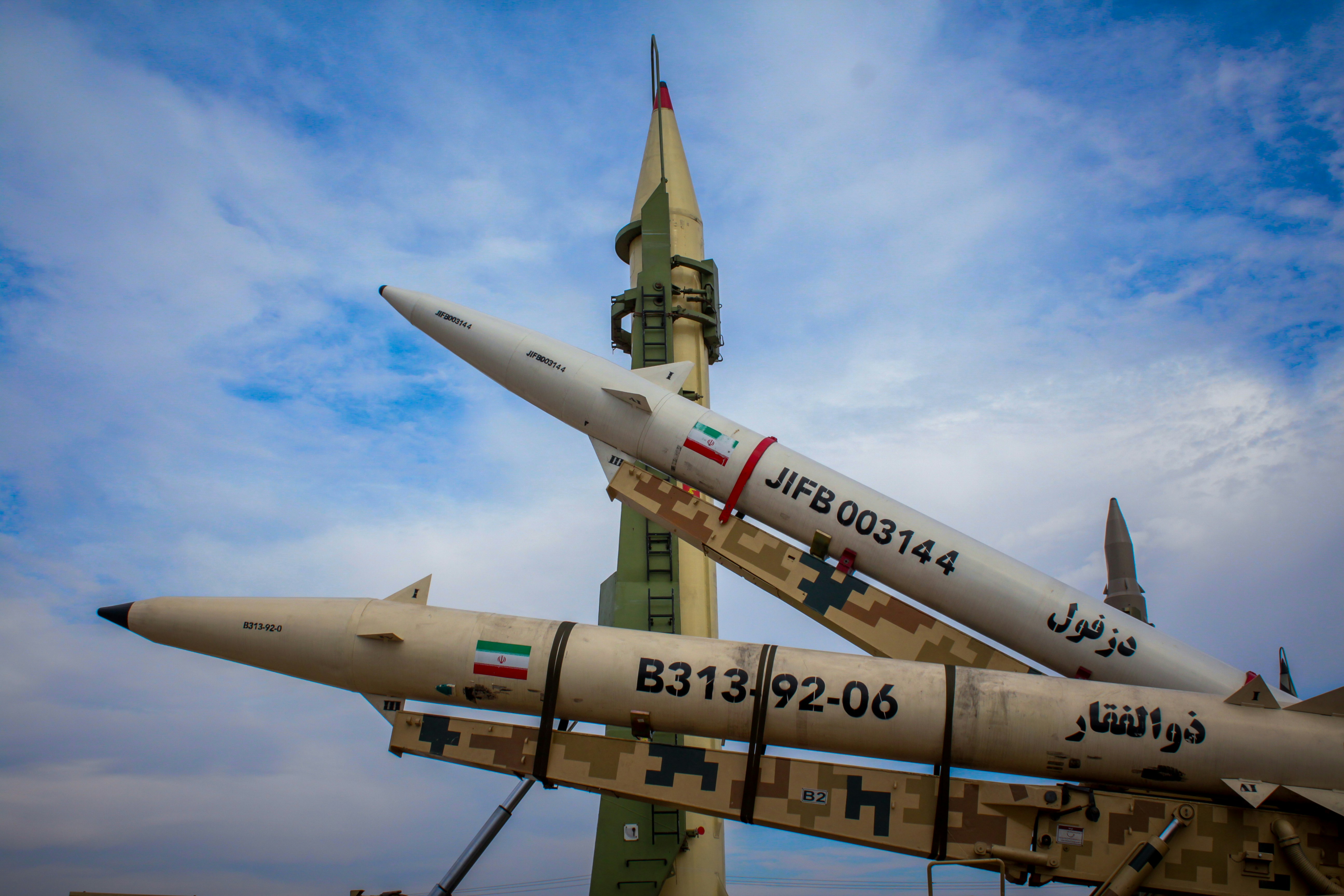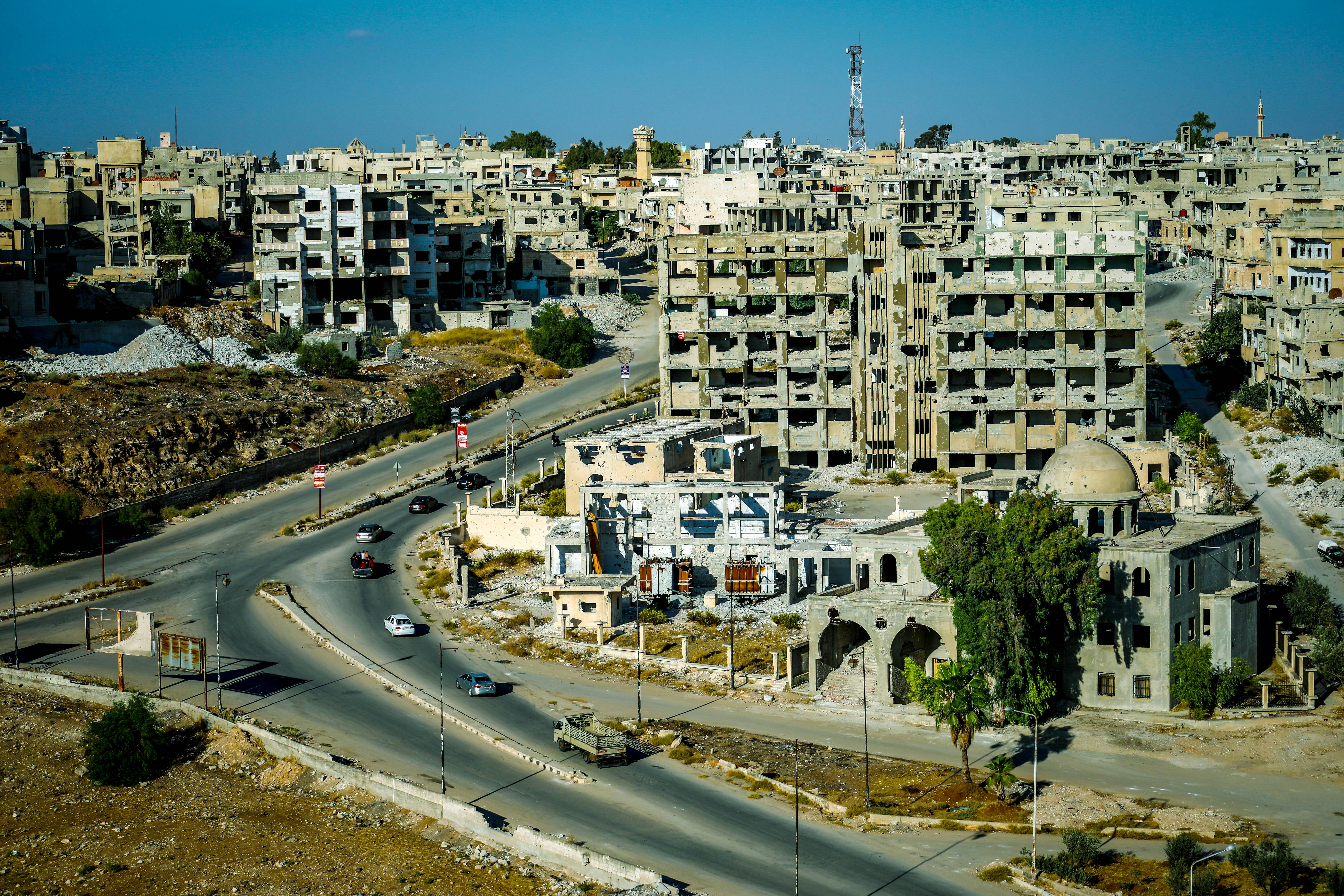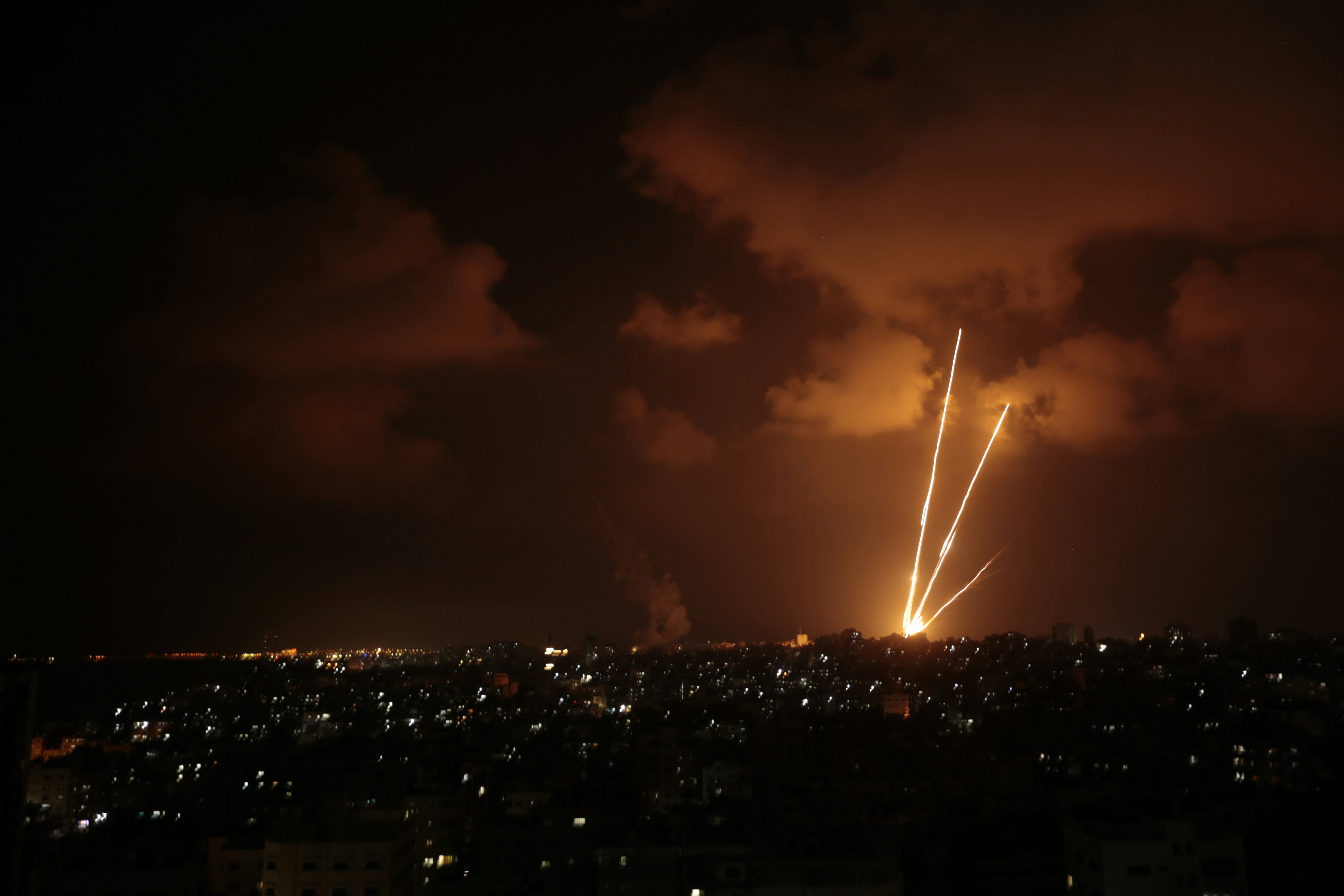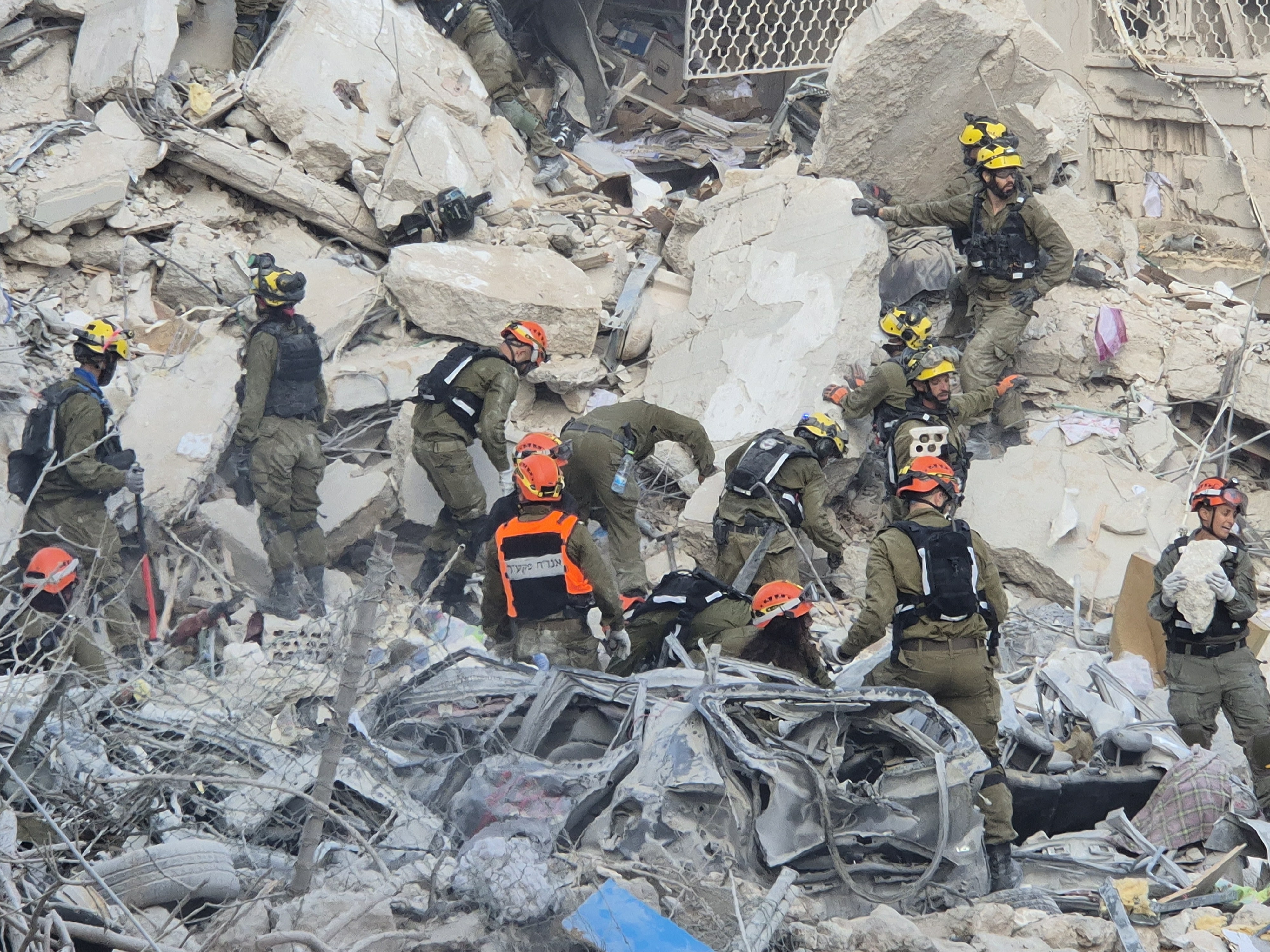
According to recent intelligence intercepts and frontline monitors, the geopolitical landscape in the Middle East has entered a highly volatile, contradictory phase. We are seeing a massive kinetic buildup happening simultaneously with quiet economic concessions.
Here is what our sources are confirming on the ground:

1. The Kinetic Buildup: Marines Hit the Theater Defense intelligence indicates the Pentagon is deploying an additional 2,500-strong Marine Expeditionary Unit to the Middle East. While official channels maintain there are no plans for a prolonged ground war in Iran, this rapid-response force is built specifically for amphibious operations and contingency extractions. You do not move thousands of Marines and amphibious assault ships into the Strait of Hormuz unless military planners are preparing for sudden, extreme escalation.
2. The Economic Walkback: Easing Iranian Oil Sanctions In a stark contrast to the military posturing, sources confirm the U.S. has issued licenses allowing the sale of specific Iranian oil shipments loaded between March 20 and April 19. President Trump has reportedly eased these sanctions on shipments already at sea. Why? Because the global energy grid is flashing red. The complete bottleneck of the Strait of Hormuz has created an unsustainable supply shock, forcing Washington to quietly release the economic pressure valve.
3. Regional Contagion: Beirut Strikes and Iraq Evacuations The intelligence also points to a rapidly deteriorating situation beyond the Gulf. In Lebanon, the IDF has renewed evacuation warnings, followed immediately by heavy airstrikes leveling infrastructure in Beirut's southern suburbs (Dahiyeh). Meanwhile, the panic is forcing European allies to retreat; Spain has reportedly evacuated 99 of its soldiers from Iraq via Turkey, signaling a fracture in the NATO security umbrella in the region.
Special Issue Analysis: The Illusion of Total Control If you rely solely on the mainstream press briefings, you are being fed a narrative of controlled dominance: The U.S. is projecting power, and the adversaries are retreating. But the raw intelligence paints a picture of extreme structural vulnerability.
This is the "Matrix of Modern Geopolitics." Politicians are trying to sell the symbol of a definitive victory—boasting that adversary nations will take "10 years to rebuild" or perhaps "never rebuild"—while the reality is that global oil markets are effectively holding Washington hostage.
You cannot simultaneously claim to be crushing an adversary's economy while desperately issuing waivers for their oil to prevent fuel prices from imploding your own domestic economy. The deployment of Marines is the ultimate heavy-handed symbol, designed to look tough on television. But the quiet lifting of sanctions? That is the quiet admission of reality.
We are witnessing a superpower trapped between its own military ambitions and the fragile, interconnected global supply chain. The question isn't whether the military can win a tactical strike; the question is whether the global economy can survive the victory.
Related Articles